Operators who’ve been there, helping you deliver.
Bancroft Marine Advisory makes sure expectation and reality line up for a vessel, venture or project before you commit, and stays with you through execution.
OperationalTechnicalCommercial
Services
Procurement & partner selection
Finding and contracting the right shipyards, contractors, vessels and suppliers to deliver a project.
- Market scan and shortlists
- Vessels, charters and equipment
- Specifications and bid packages
- T&I and construction contractors
- Bid evaluation and negotiation
- Contract management through delivery
Diligence & Jones Act analysis
An operator’s read of fleets, shipyards, contracts and crews, and of whether a vessel can legally do the work planned for it.
- Fleet condition, operating cost and drydock cycles
- Contracts, utilization and backlog
- Crewing, union labor and safety record
- Shipyard capacity and expansion plans
- Coastwise eligibility, CBP rulings and foreign-built exposure
- Coast Guard and class pathway for conversions and first-of-kind vessels
- Red-flag memo on your timeline, with AI-assisted review of the data room
- Lender and sponsor monitoring of funded programs
Regulatory work is analysis, worked with maritime counsel where a legal opinion is needed.
Project & operations leadership
A senior lead for projects and operations, interim or fractional, from planning to handover and beyond.
- Newbuilds and conversions, from contract to delivery
- Owner’s representation for vessel and waterfront programs, including public and grant-funded owners
- Offshore execution and marine construction campaigns
- Integrations and reorganizations after an acquisition, merger or fleet transfer
- Interim leadership: project director, marine package manager or operations lead
- Operating review and 100-day plans
- Organization, systems and safety management
- Operating dashboards and AI tools that turn fleet data into decisions
Operations & maintenance for novel marine projects
Operating and maintenance plans for first-of-kind vessels, systems and facilities, built while the design can still change.
- O&M concept and cost-to-operate model, set at the design stage
- Maintenance, drydock and spares plans for new vessel types, built on condition data
- Availability, crewing and basing strategy
- Operations and sustainment plans for program bids and financing
- Remote and uncrewed operations: crewing, maintenance, launch and recovery
- Pilots, sea trials and operator-readiness review before delivery
Marine construction & facility planning
Feasibility, method and siting for coastal and offshore projects, and for the yards and terminals behind them.
- Feasibility and method studies for bids and pre-FID packages
- T&I planning, FEED support and marine operations risk
- Weather downtime and campaign modeling via Shoreline
- Port, vessel and contractor supply chain
- Yard and terminal siting, including underused heavy-lift wind ports
- Operating concept, tenant model and grant-funded procurement
Business development & market entry
Finding the customers, partners and programs for a marine product or service, and getting in front of them.
- Market analysis and segment sizing
- Customer mapping: owners, operators, shipyards and program offices
- Introductions across operators, shipyards and suppliers
- Pursuit and partnership support
- Operations input to proposals and bids
- U.S. market entry for European and UK companies: Jones Act, CBP, Coast Guard and U.S. labor
- Also available
Through your firm. Any of these on a consultancy’s or engineering firm’s team, under its contract and client relationship, including monthly hour blocks.
Litigation support & investigation. An operator’s review of the record in charter, marine construction and casualty matters, for counsel and insurers.
- Vessels we know
- Tugs and towing, anchor handling, crew transfer, offshore supply, service operation and accommodation vessels, jackup vessels and liftboats, barges and heavy lift, pilot boats and construction vessels, research vessels, patrol and port security boats, and uncrewed surface vessels.
Selected work
| Project | Prior role | Locations | Photos |
|---|
Work led by Graham Tyson in prior roles.
How engagements start
- 1 of 4Email us. Share the problem you’re facing.
- 2 of 4Consultation. Talk it through and agree on a high-level approach.
- 3 of 4Written scope and price proposal within a week.
- 4 of 4Start. On your schedule, whether the work runs days, weeks or months.
About
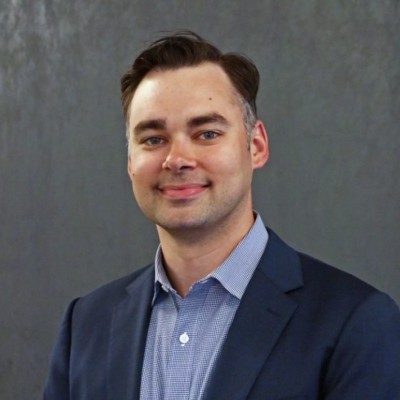
Graham Tyson has run marine operations from the engine room to the P&L: from the bridge of a Coast Guard cutter to fleet sustainment, uncrewed systems testing and major offshore construction work. He is a U.S. Naval Academy graduate and a licensed PE in naval architecture and marine engineering.
- Licenses
- Professional Engineer (Maryland), Naval Architecture & Marine Engineering
USCG Master 100 GT Near Coastal, Sail - Education
- B.S. Naval Architecture & Marine Engineering, U.S. Naval Academy
- Experience
- U.S. Coast Guard · MAPC (now BlackSea Technologies) · Vestas · Crowley
- Testimony
- Deposition and trial testimony as a fact witness
- Member
- SNAME (Society of Naval Architects & Marine Engineers)
Full background
Christopher “Graham” Tyson, PE
Graham Tyson has seen vessels from every angle: from the bilge, the helm, the drawing sheet and the P&L.
After graduating from the U.S. Naval Academy with a degree in naval architecture and time racing offshore under sail, he was commissioned into the U.S. Coast Guard. He first served aboard the cutter Tahoma as an engineering division officer and officer of the deck. He then became Cutter Boats Asset Line Manager at the Surface Forces Logistics Center, responsible for sustaining a fleet of more than 250 shipboard boats. There he built and scaled a centralized boat pooling and maintenance program, and served as a key technical stakeholder in boat acquisitions: writing technical requirements, working with boatbuilders and OEMs, and putting lifecycle maintenance plans in place.
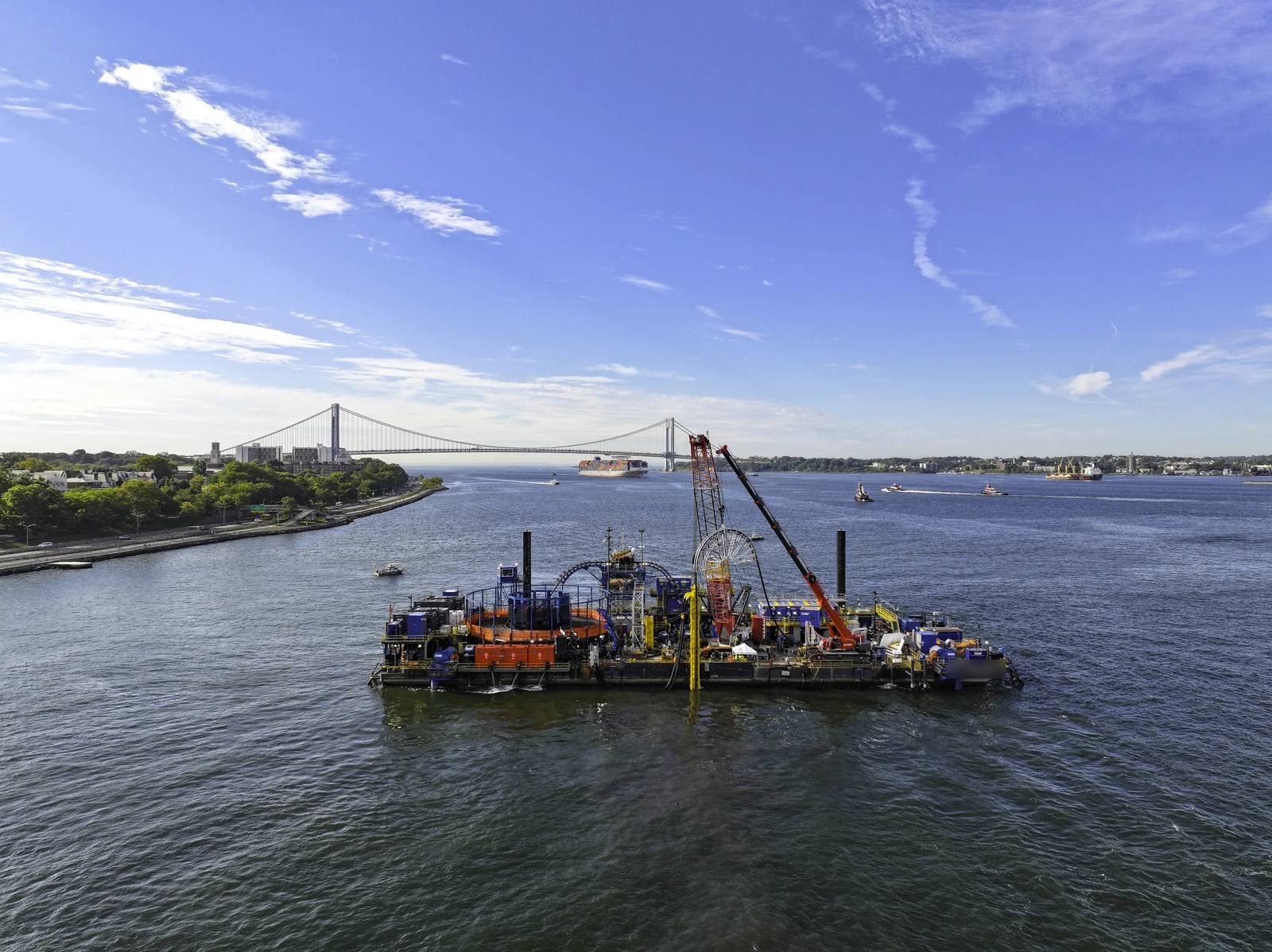
At MAPC (now BlackSea Technologies) he worked on naval architecture, offshore wind and uncrewed systems, including testing of the U.S. Navy’s GARC uncrewed surface vessel. At Vestas he worked across roles in the U.S. and Europe, developing installation and maintenance plans for offshore wind farms and identifying, contracting and managing the vessels, ports, cranes and workforces to deliver them. In 2023 he joined the newly formed Crowley Wind Services to build and lead its operations function, where he oversaw the delivery of more than 100 wind turbines from port to jack-up vessel, the installation of 26 km of cable 25 feet below New York Harbor, and the development of the Salem Wind Terminal from concept to construction-ready.
Across those roles he has built operating functions from a blank sheet, including safety management systems, operational risk management, fleets, maintenance programs and new installation capability. He has run competitive procurements for vessels, charters, contractors and construction, and carried commercial responsibility for the results.
Graham works with a bench of naval architects, engineers, brokers and finance professionals, scaled to each project rather than to a fixed staff. His working network spans most U.S. commercial shipyards, the major offshore, tug, towing and passenger vessel operators, marine construction and EPC firms, the American Bureau of Shipping and the U.S. Coast Guard.
Named for George Bancroft
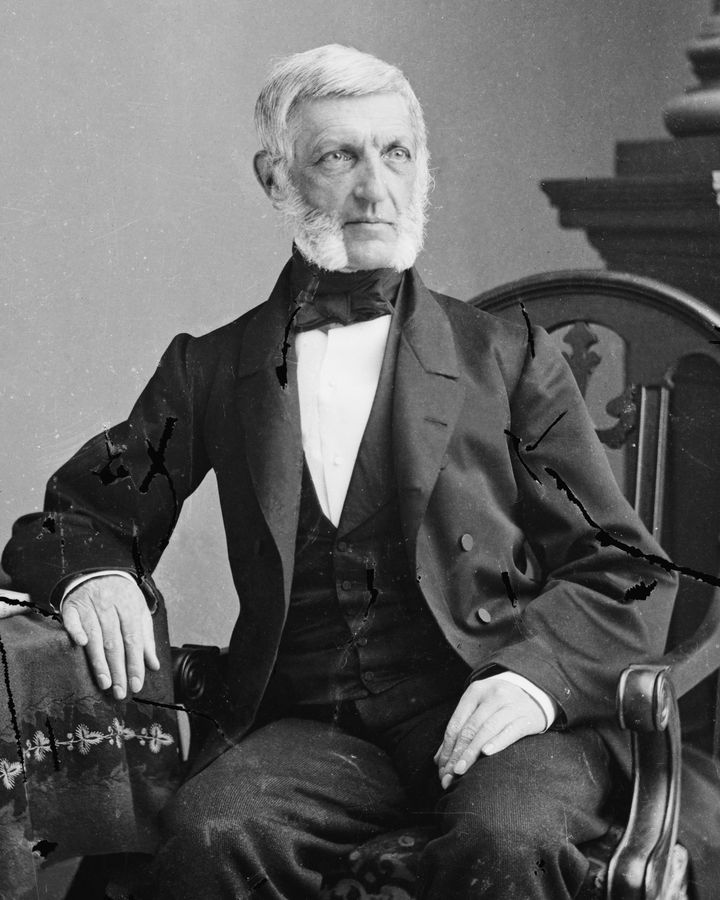
George Bancroft (1800–1891) was a Massachusetts native whose public career ran from the Port of Boston to the founding of the Naval Academy and on to London.
- 1838
Port of Boston. Collector of the Port, running the customs house on Boston’s waterfront.
- 1845
U.S. Naval Academy. As Secretary of the Navy he founded the Academy at Annapolis. Congress had not funded it, so he opened it with money the Navy already had and a fort borrowed from the Army. Congress paid for it the next year.
- 1846
Great Britain. U.S. Minister in London, the government’s link across the Atlantic.
Bancroft Marine Advisory works the same ground: based in Massachusetts, led by an Academy graduate, building new operations where none existed, and serving as a bridge across the Atlantic for European and UK companies working in U.S. waters.